Fifty percent of mental illness begins by age 14, and three-quarters begin by age 24.
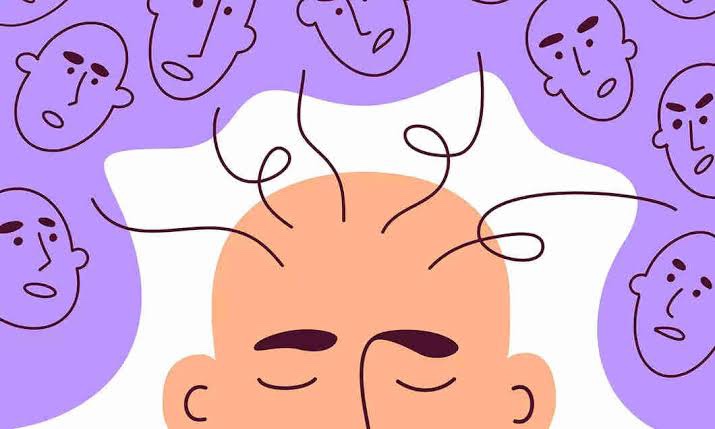
Major mental illnesses such as schizophrenia or bipolar disorder rarely appear “out of the blue.” Most often family, friends, teachers or individuals themselves begin to recognize small changes or a feeling that “something is not quite right” about their thinking, feelings or behavior before a illness appears in its full-blown form.
Learning about developing symptoms, or early warning signs, and taking action can help. Early intervention can help reduce the severity of an illness. It may even be possible to delay or prevent a major mental illness altogether.
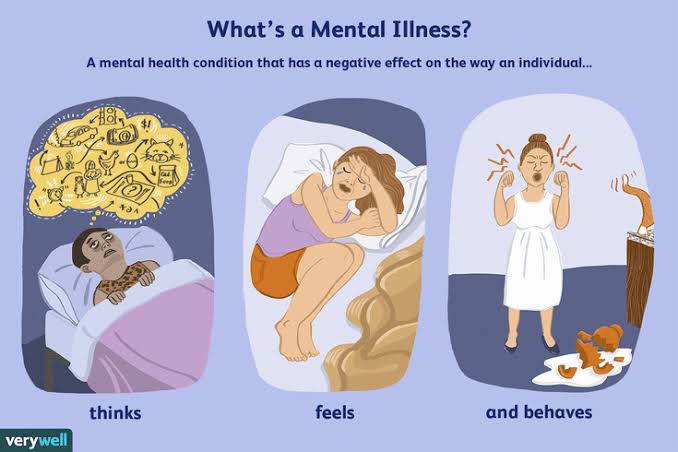
Signs and Symptoms :
- Sleep or appetite changes — Dramatic sleep and appetite changes or decline in personal care
- Mood changes — Rapid or dramatic shifts in emotions or depressed feelings
- Withdrawal — Recent social withdrawal and loss of interest in activities previously enjoyed
- Drop in functioning — An unusual drop in functioning, at school, work or social activities, such as quitting sports, failing in school or difficulty performing familiar tasks
- Problems thinking — Problems with concentration, memory or logical thought and speech that are hard to explain
- Increased sensitivity — Heightened sensitivity to sights, sounds, smells or touch; avoidance of over-stimulating situations
- Apathy — Loss of initiative or desire to participate in any activity
- Feeling disconnected — A vague feeling of being disconnected from oneself or one’s surroundings; a sense of unreality
- Illogical thinking — Unusual or exaggerated beliefs about personal powers to understand meanings or influence events; illogical or “magical” thinking typical of childhood in an adult
- Nervousness — Fear or suspiciousness of others or a strong nervous feeling
- Unusual behavior – Odd, uncharacteristic, peculiar behavior
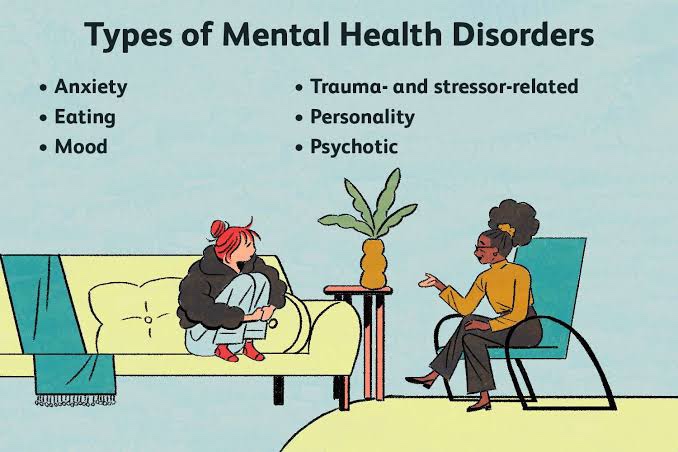
Taking Action, Getting Help
if a person does not yet show clear signs of a diagnosable mental illness, these “red flag” early warning symptoms can be frightening and disruptive.
Encourage the person to:
- Have an evaluation by a mental health or other health care professional.
- Learn about mental illness, including signs and symptoms.
- Receive supportive counseling about daily life and strategies for stress management.
- Be monitored closely for conditions requiring more intensive care.
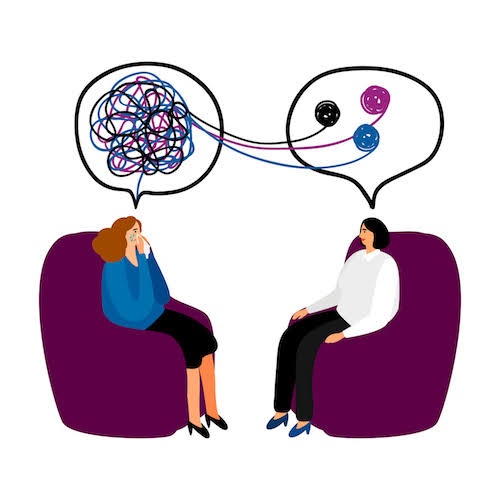
Each individual’s situation must be assessed carefully and treatment should be individualized. Comprehensive treatment to prevent early symptoms from progressing into serious illness can include ongoing individual and family counseling, vocational and educational support, participation in a multi-family problem-solving group, and medication when appropriate.
Family members are valued partners and should be involved whenever possible.
Just as with other medical illnesses, early intervention can make a crucial difference in preventing what could become a serious illness.
 Site Title
Leave a comment